nine domains, 104 tasks
The exam has 175 scored questions. Each domain shows how many come from it.
Plus two bonus sections that are not on the exam: J. Beyond the Exam, for deeper topics, and K. The Intangibles, for studying, test day and looking after yourself.
the science under the outline
Every task traces back to a natural science of behavior. The guides teach that science, so you can reason through a question you have never seen.
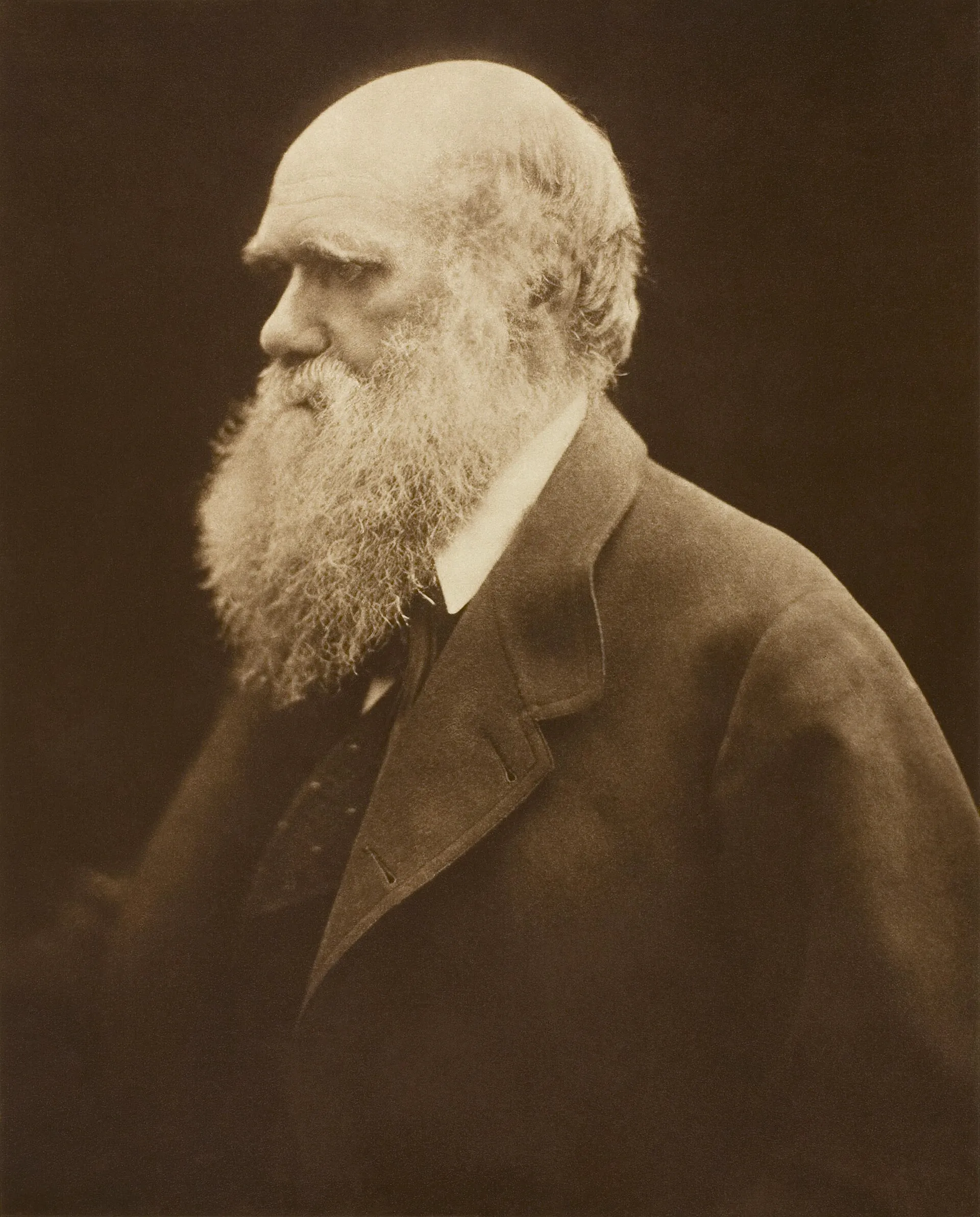 SelectionSkinner modeled operant behavior on natural selection: consequences select behavior the way environments select traits.Read A.2: Philosophical assumptions
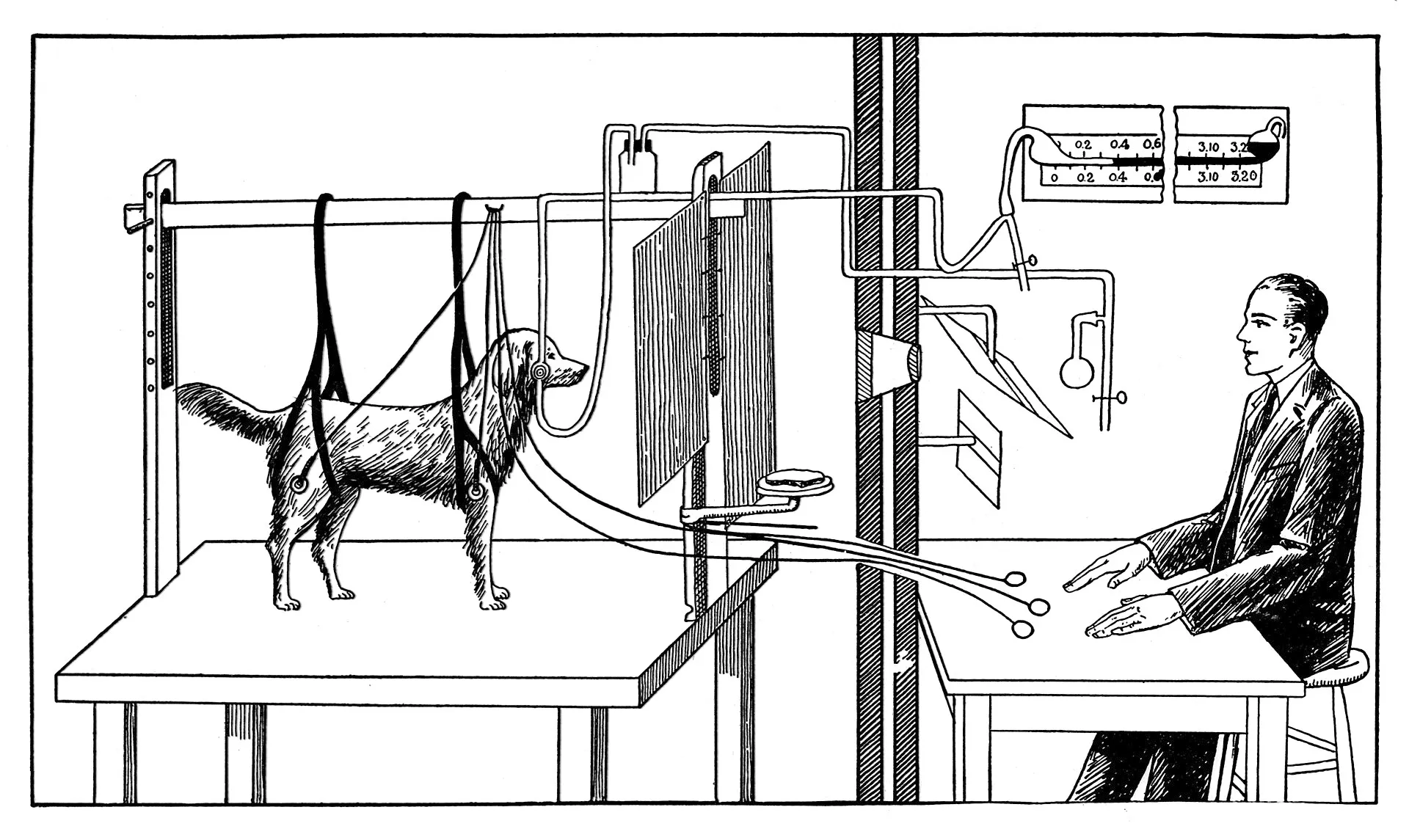 PairingPavlov's dogs began to salivate to stimuli that had been paired with food. That is respondent conditioning.Read B.3: Respondent vs. operant
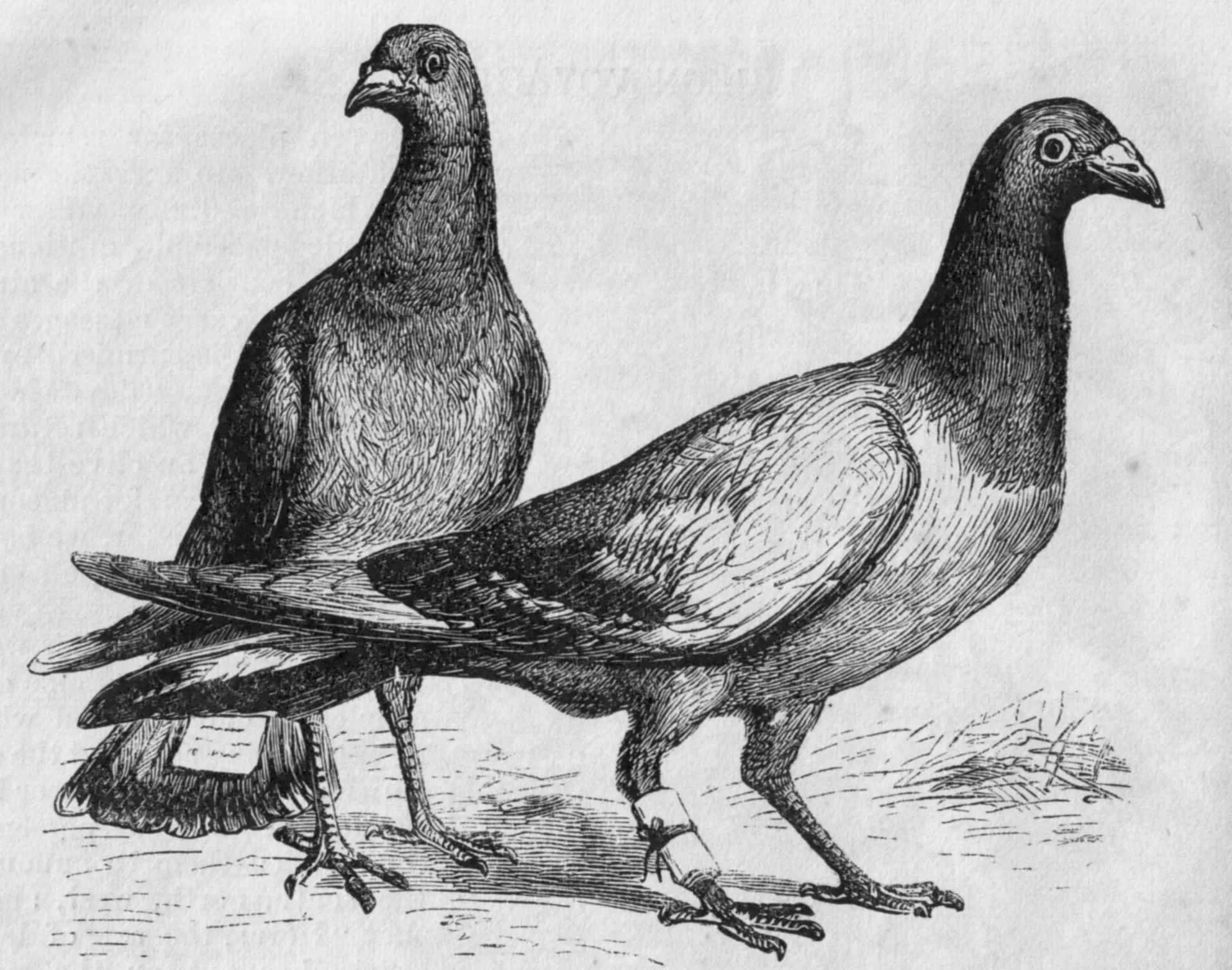 SchedulesFerster and Skinner spent years with pigeons showing how the timing of reinforcement shapes the pattern of responding.Read B.9: Simple schedules
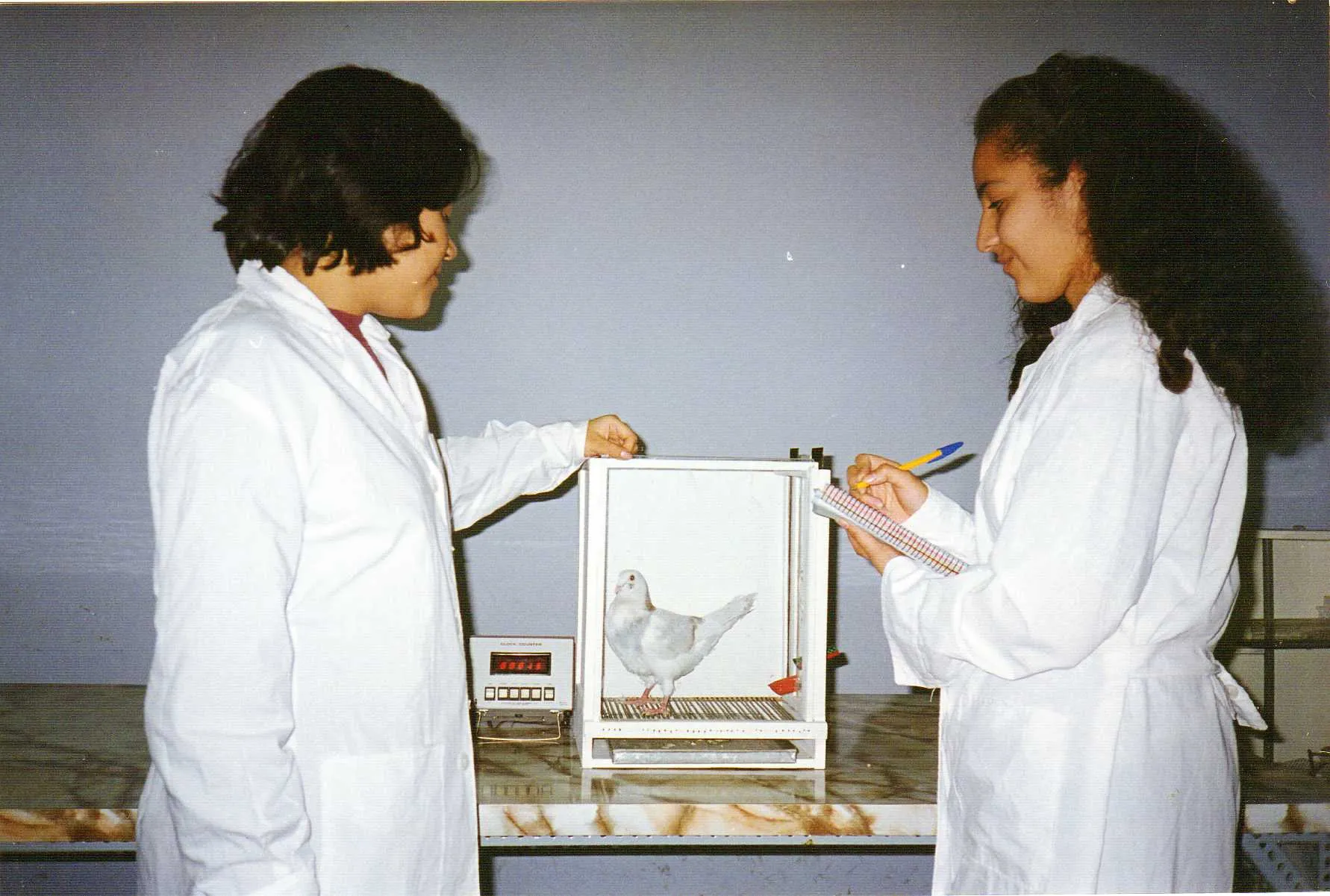 MeasurementCount it, time it, record it, and let the data decide. Every analysis starts with a measure you can trust.Read C.3: Measuring occurrence
How each guide works
First, read the big idea
Every guide opens with the idea in plain words, then breaks it down with examples from clinics, classrooms and homes.
Then learn the key terms
Each term is defined once and linked everywhere it matters, so the vocabulary stays consistent across all 104 tasks.
Then check yourself
Four or five practice questions close every guide. Each answer explains why it is right and why the tempting choice is wrong.
Last, take the domain quiz
Section quizzes draw from the whole domain and point you back to the tasks you missed. Your best score is saved.
A.1 The goals of behavior analysis
The big idea
Science tries to understand its subject at three levels, and each builds on the one before: description, prediction and control.
Exam tip: look for the verb. Manipulated points to control.
Functional relation
A specific change in behavior reliably produced by a specific change in the environment, with other explanations ruled out.
Staff notice self-injury is more frequent after nights of poor sleep. What does this allow?
A Prediction, because two events covary
B Control, because sleep caused it
Correct. Nobody manipulated sleep, so this is a correlation.
8 of 10
80%. Close. Review the tasks below, then try again.
B.16 Motivating operations1 missed
B.17 MOs vs. stimulus control1 missed
try one now
A.1 The goals of behavior analysis: description, prediction, and control
A researcher records how often each child in a preschool class shares toys during free play for two weeks. Nothing about the classroom is changed. Which level of scientific understanding does this study reach?
Show the answer
Answer: D. The researcher only observes and records, so the study describes the behavior. Nothing is compared or manipulated. Prediction would need two events found to vary together, and control would need a manipulated variable.
before you start
CostIs it really free?
Yes. All 104 guides, the glossary and every quiz are free, with no account and no paywall. Later we plan optional paid extras (full-length timed mock exams, video lessons and workbooks); what is free now stays free.
OutlineWhich outline does it follow?
The BCBA Test Content Outline (6th ed.), used for BCBA exams from January 2025: 104 tasks in 9 domains, with 175 scored questions and 10 unscored pilot questions.
MethodHow should I use it?
Work one domain at a time. Read each guide, answer its questions and mark it reviewed, then take the domain quiz. Near your exam date, use mixed practice to find the domains that still need work.
ProgressWhere is my progress saved?
In your browser, on this device. Nothing is sent to us. Clearing your browser data clears your record, and a different device starts fresh.
BACBIs this from the BACB?
No. This is an independent study guide, not affiliated with or endorsed by the Behavior Analyst Certification Board. Task titles are our own summaries; the official outline has the exact wording.
USFIs this affiliated with USF?
No. Cumulative is not supported by or affiliated with the University of South Florida (USF). It is an independent project maintained by Anthony Concepcion.
SourcesWhere do the explanations come from?
From the core texts of the field: Cooper, Heron and Heward (the default reference), Miltenberger, Johnston, Pennypacker and Green, Daniels and Bailey for organizational behavior management, and Bailey and Burch with the Ethics Code for Behavior Analysts for ethics. Also from a wide range of research articles, our own clinical experience, and our experience training hundreds of graduate students to become BCBAs. Every explanation and question is original; none are real exam items.
start at the first step
One guide takes about ten minutes. Mark it reviewed and watch your record climb.
104 tasks and 9 quizzes, all free
Start with A.1